News - Part 22

Opinion: Just how healthy is Colorado?

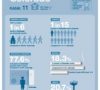
Dr. Bill Mandell Colorado ranks among the best in nation when it comes to overall health. However the state has some opportunities for improvement, according to the 23nd annual Americas Health Rankings from United Health Foundation. The report, the longest running of its kind in the country, placed Colorado No. 11 among all 50 states for overall heath, up three spots from last year. Heres a snapshot of how Colorado fared: Colorados Strengths Low prevalence of diabetes and obesity: Colorado has the lowest obesity rate in the U.S. at 20.7 percent of the population with 805,000 obese adults. Colorado also…
Opinion: Colorado must expand access to dental care

By Sara Schmitt It is becoming more difficult for Coloradans to get oral health care. Last Thursday, legislators who attended the Hot Issues in Health Care conference in Colorado Springs, sponsored by the Colorado Health Institute, got a sneak preview of new Colorado Trust report on oral health. Based on findings from the 2011 Colorado Health Access Survey (CHAS), the report, A Growing Problem: Oral Health Coverage, Access and Usage in Colorado, said there are now more than 2 million Coloradans without dental insurance an increase of 17 percent since the 2009 baseline survey. The survey also found that having…

Annual tab for Colorado health exchange about $25 million

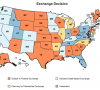
By Katie Kerwin McCrimmon Colorados new health exchange will cost an estimated $22 million to $26 million a year starting in 2015, spurring managers to consider advertising, taxes on insurance companies or fees charged to employers and consumers using the exchange to pay for it. The U.S. Department of Health and Human Services formally approved Colorados exchange on Monday, making the state one of the first six in the country to approved to open for enrollment next October. Other states that will use a federally-run health exchange will pay fees of about 3.5 percent on the premiums that each person…

Access to dental care declining in Colorado

By Diane Carman The crisis in access to dental health care in Colorado is growing more severe even as the effort by the state Department of Health and Environment this year continues to highlight improved oral care as one of its 10 winnable battles. A new analysis released Monday by The Colorado Trust found that the number of Coloradans without dental insurance grew 17 percent between 2009 and 2011, and that even people with dental insurance failed to receive care due to cost or a lack of available dental providers. Coloradans need to speak up for the care they need…

Opinion: Informed patients essential for better health care

By Dr. David Downs Medical science has advanced at a remarkable pace. We can now replace worn joints and diseased heart valves, open clogged arteries and identify cancers before they become untreatable. We can see into the center of the body with remarkable detail using CT scanners, MRI machines and other technologies all without pain or discomfort. These and many other modern medical miracles are generally viewed as a great benefit to the health of those for whom they are available. And in the American spirit of newer, better and faster, we have taken to these services avidly. It is…

Insurance companies block nurse care

By Katie Kerwin McCrimmon Two of Colorados largest insurance companies refuse to pay for their clients to see independent advanced practice nurses in urban areas even though some patients want to see them and the care would cost less. Advanced practice nurses say the insurance companies, Anthem Blue Cross and Blue Shield of Colorado and Rocky Mountain Health Plans, are protecting doctors in a turf war instead of focusing on whats best for patients and allowing free market choice. Nicole Snelgrove, 35, has insurance through Anthem Blue Cross and Blue Shield of Colorado and has chosen to spend more than…

Opinion: Medicaid expansion may be more costly than advertised

By Linda Gorman The federal Patient Protection and Affordable Care Act has radically restructured federal subsidy programs for medical care. For the first time in decades, it makes it reasonable for Colorado to begin mending its structural fiscal imbalance by reversing the excessive growth in the states Medicaid and child health insurance programs. The act makes commercial insurance widely available for both working and nonworking people at all income levels. If it works as advertised, the federally subsidized commercial health coverage offered through the Affordable Care Act health benefits exchange will provide better health coverage for the basically healthy adults…

HIV cases down, risky behavior up

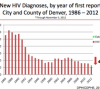
By Katie Kerwin McCrimmon AIDS killed scores of David Lipsons close friends, an adored partner and even his own brother. One of the first men in the nation to be tested for HIV back in 1984, David Lipson received the same terrible test results that ensnared so many of his friends. Then 26 and living in Los Angeles, Lipson learned he was HIV positive and his doctor told him he would die within two years. HIV infection rates are down 45 percent in Denver from 2005. Rates could decrease further if more men engaged in safe sex. Source: Dr. Mark…

Colorado’s health exchange must pay for itself by 2015

By Katie Kerwin McCrimmon While some states are still wrestling over whether to build their own health exchanges, Colorado is playing hurry-up offense, tackling major policy decisions including the biggest one on the horizon: how to pay for the online health insurance marketplace. Now a reality across the country as the Affordable Care Act steams toward full implementation, health exchanges are supposed to make it easier for individuals and small business owners to choose and buy health insurance plans. Some people will qualify for government subsidies to help them afford insurance while exchanges will funnel others into public health insurance…

Colorado tab for Medicaid expansion $858 million

By Katie Kerwin McCrimmon Colorado would have to pay $858 million to expand Medicaid over the next 10 years, but authors of a new national study say states that participate will bring in billions in federal cash and will dramatically cut the number of uninsured. If all states opt to expand Medicaid, the U.S. could cut the ranks of the uninsured by 21 million people or about 48 percent, the study authors found. They estimated that states would have to fund increases of about 3 percent in their Medicaid budgets or $76 billion nationwide while federal spending would increase by…